


Latest
The Sustainable Development Goals in Kosovo
The Sustainable Development Goals are a global call to action to end poverty, protect the earth’s environment and climate, and ensure that people everywhere can enjoy peace and prosperity. These are the goals the UN is working on in Kosovo:
Publication
20 February 2026
The UNDP 2025 Achievements Report
During the year, efforts focused on strengthening transparency, accountability, and access to justice through large-scale court digitization, expanded free legal aid, and reinforced anti-corruption measures. Public safety was enhanced through the destruction of illicit small arms, improved forensic and investigative capacities, and the launch of the first police e-Learning platform.Investments in digital innovation modernized schools and municipal services, while cultural heritage restoration and support to creative industries contributed to economic opportunities and social cohesion. Youth empowerment initiatives, gender-responsive programming, and targeted support for survivors of conflict-related sexual violence reaffirmed a strong commitment to human rights and inclusion.On climate action, key milestones included the advancement of monitoring and verification systems, adoption of adaptation planning frameworks, and the expansion of energy-efficiency measures for households and small and medium enterprises — laying foundations for a greener and more resilient future.Guided by the principle of Leaving No One Behind, UNDP continues to work in partnership with institutions, civil society, communities, and development partners to ensure sustainable development delivers tangible results for people across Kosovo. Originally published at Achievements Report 2025 | United Nations Development Programme
1 of 4

Publication
07 April 2025
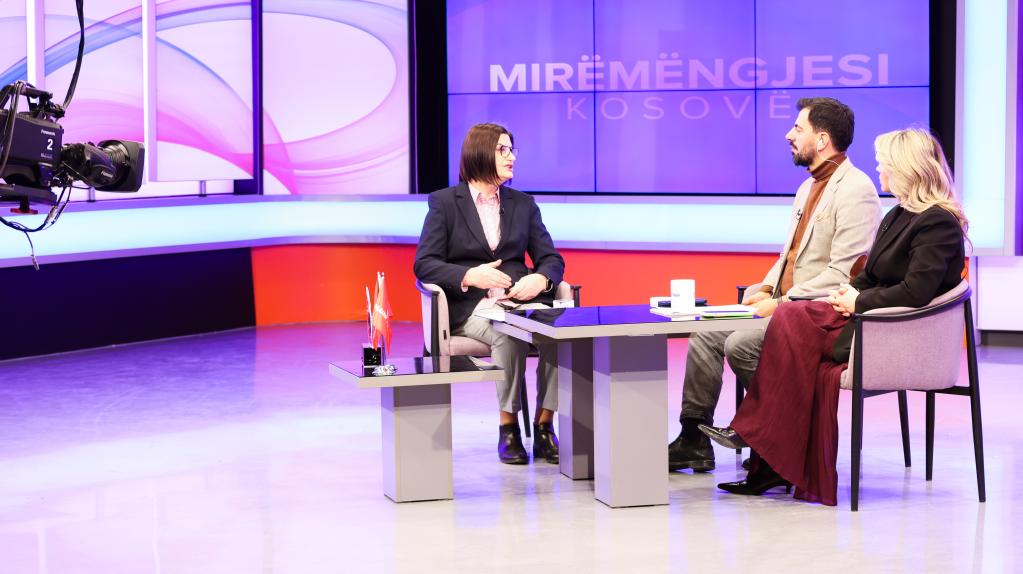
WORLD HEALTH DAY 2025 – ‘HEALTHY BEGINNINGS, HOPEFUL FUTURES’
2025 World Health Day moto is” Healthy Beginnings, Hopeful futures”. This year’s campaign supports efforts on raising awareness about the importance of good health for both the pregnant woman and the fetus from the moment of conception.Despite substantial global progress, there are millions of women and girls worldwide who continue to lack essential, lifesaving services, particularly during labor and in the first 24 hours post-delivery. In an interview to RTK, WHO called for putting to an end maternal and infant deaths. “Strengthened primary health care systems is required to ensure universal access to sexual and reproductive health services, and remove systemic barriers,” said Dr Isme Humolli, Public Health Office at WHO Office, Pristina. A new inter-agency report led by WHO reveals that while global maternal mortality has decreased by 40% since 2000—falling from 446,000 to an estimated 260,000 deaths in 2023—progress remains uneven and insufficient to meet the SDG target of reducing maternal mortality to below 70 per 100,000 live births by 2030. The vast majority of maternal deaths is driven by limited access to quality care, inequities, and systemic barriers. The report emphasizes the growing impact of noncommunicable diseases, social determinants, and harmful gender norms on maternal health.Full report can be found hereThe report was produced by WHO on behalf of the United Nations Maternal Mortality Estimation Inter-Agency Group comprising WHO, UNICEF, UNFPA, the World Bank Group and the Population Division of the United Nations Department of Economic and Social Affairs.Aid cuts threaten fragile progress in ending maternal deaths, UN agencies warn Abbreviated version as well as main messages can be downloaded this page below, as well as main messages on World Health Day by WHO.Key messages We can end preventable maternal and newborn deaths. WHO is calling for a region-wide re-invigoration of efforts to ensure access to high quality care for women and babies, especially in those countries where most maternal and newborn deaths occur. Beyond survival, critical investment is needed to improve women’s longer-term health and well-being. Women everywhere need access to health providers who listen to their concerns and meet their needs – including in the months after birth when millions still lack critical support.Better maternal health means improving access to sexual and reproductive health services so that women can plan their lives and protect their health. Agency and empowerment for women and girls is fundamental for tackling both maternal and newborn deaths and achieving health for all. Statement – Every mother’s life mattersFind social media tiles with WHO messages here if you want to join us in the campaign LINK
1 of 4
Press Release
14 March 2025
Sweden and ILO Sign an Agreement to Enhance Labour Inspectorate Efficiency, Improve Working Conditions, and Drive Productivity for SME Workers.
Despite Kosovo’s steady GDP growth over the past decade, formal employment opportunities remain limited—especially for women and young people. Many job seekers face barriers such as low wages, poor working conditions, and a lack of skills development, while employers struggle to find qualified workers, exacerbating labour shortages in key industries. To address these issues, this initiative takes a two-pronged approach: Enhancing Labour Law Compliance – Strengthening the capacities of the Labour Inspectorate including its digital transformation and social partners to improve workplace safety and health and uphold labour rights.Supporting SMEs for Sustainable Growth – Delivering tailored guidance and training to help enterprises improve working conditions, enhance employee performance, implement sustainable and digital solutions, increase productivity in SMEs, and strengthen their integration into global supply chains. This initiative builds on the ongoing support of Sweden and the ILO and aligns with Kosovo’s broader economic and social development goals. By investing in workplace safety, labour law enforcement, and private sector development, the program aims to create better job opportunities, enhance enterprise productivity, and foster a more competitive labour market.
1 of 4
Story
04 February 2026
Visa-Free Travel Awareness Reaches Wider Audiences Through Strategic Timing
A new public service announcement (PSA) on visa-free travel to the Schengen Area has reached wide audiences across Kosovo, demonstrating how strategic timing can significantly enhance the visibility and impact of public information campaigns.The awareness video, produced by International Organization for Migration with the support of the Swiss Embassy, has been broadcast repeatedly on Radio Television of Kosovo since early January. The PSA provides clear and accessible information on visa-free travel rules, responsibilities, and safe travel practices related to the Schengen Area.Promoting the campaign in January proved particularly effective. Traditionally a period with limited public communication activity, the early-year timing allowed the message to stand out, face minimal competition for public attention, and achieve stronger recall among viewers. This approach helped ensure that essential information reached residents at a moment when communication “noise” is comparatively low.The video has been made available in several language versions including English, Albanian and Serbian, supporting inclusive outreach and ensuring that information is accessible to diverse communities. By focusing on practical guidance and responsible travel behavior, the PSA contributes to informed decision-making and helps manage expectations related to visa-free movement.The initiative highlights the importance of aligning communication strategies for development with broader information environments. Strategic scheduling, combined with clear messaging and trusted broadcast channels, can significantly enhance public understanding of complex policy changes and promote safe, well-informed mobility.Watch full video by clicking below:
1 of 4

Story
23 October 2026
Growing confidence, one harvest at a time
More than 20 years ago, after meeting her future husband, she moved from the city to Lubovec/Ljubovac, in Kosovo’s municipality of Skenderaj/Srbica. There, she began helping with the family’s daily work, such as growing vegetables for household use and caring for chickens.
As she became more involved with the farm, Shemsije began to see how they could make better use of the land and the work they were already doing.
“At the beginning, I was simply doing what needed to be done,” she says. “Later, I realized I could make something more out of it. I started planting more vegetables and keeping more chickens so we could sell the surplus.”
As sales grew, so did the farm. Gradually, Shemsije expanded from one hectare to four and increased the number of chickens she kept. Today, in her fifties, she manages the farm herself, deciding what to grow and where to expand. She cultivates crops such as peppers, tomatoes, cucumbers and onions, and processes some of the harvest into homemade preserves, including ajvar and pickled vegetables.
Over the years, Shemsije has also become a source of information and encouragement for other women in her community. She keeps an eye out for grants, training and other opportunities that could benefit them. “When I hear about an opportunity, I tell the other women about it,” she says. “Sometimes they hesitate or think it is not for them, so I encourage them to apply and help them with the process.”After more than two decades of hands-on farming experience, Shemsije wanted to grow her business further. She reflects that what she needed most was a clearer understanding of her business’s growth potential, which opportunities and investments would offer the best prospects for expansion, and where to seek additional financial support. She joined the project Promoting Rural Women's Empowerment in Kosovo, implemented by the Food and Agriculture Organization of the United Nations (FAO) and the United Nations Entity for Gender Equality and the Empowerment of Women (UN Women), with financial support from the Austrian Development Agency (ADA). The project worked with 260 women farmers and producers in Skenderaj/Srbica, Istog/Istok and South Mitrovicë/Mitrovica and aimed to improve their access to knowledge, resources and opportunities to generate sustainable income. Between 2024 and 2026, Shemsije attended a series of training sessions on vegetable production based on good agricultural practices, strengthening her knowledge of crop production, fertilisation, irrigation and farm maintenance.She also received practical training on vegetable processing, particularly in preparing pickled vegetables, as well as individual guidance from a food technologist who visited her farm and introduced new recipes and processing methods. She also participated in training on agricultural business planning, grant schemes and financial opportunities available to rural women entrepreneurs. After the training sessions, Shemsije began processing more of her vegetables into homemade preserves and expanded poultry production, increasing the number of chickens she raised from around 70 to about 200. She also increased sales of eggs and poultry.“I wanted to expand the business, and the training helped me understand better how to plan that growth and where to look for support,” she says.As she developed her business plan, she also applied for a motocultivator offered as in-kind support through the project. She now operates the motocultivator herself, with her older son stepping in when he is available to help. Previously, much of the land preparation and maintenance had been carried out without any equipment, with family members sharing the heavier tasks during busy periods. “Before, we had to do much of this work by hand, and it took a lot more time and effort,” she says. “Now I can cultivate the land much faster and use that time for the greenhouse, the chickens and processing vegetables.”According to Sabit Ferizi, Director of the Department of Agriculture in the Municipality of Skenderaj/Srbica, initiatives like this support both agricultural development and women's economic empowerment."This project contributed to the development of agriculture and the empowerment of women in rural areas of our municipality," he says. He added that the municipality continues to support women farmers through annual subsidies, cooperation with different donors and agricultural training. Farmers can also seek ongoing guidance from the municipality’s agricultural adviser.“We try to stay close to women farmers throughout the year, whether through subsidies, training or advice,” he says. Many years after arriving in Lubovec/Ljubovac, Shemsije remains convinced that opportunities can be found close to home for those willing to work for them. Her message to other women, particularly those living in rural areas, is simple and direct.“Return to the villages and do not leave the land uncultivated,” she says. “It is better to work and build something of your own than to wait for someone else to do it for you.” This story is part of a series celebrating women farmers worldwide, from producers, fishers and pastoralists to traders, agricultural scientists and rural entrepreneurs. The International Year of the Woman Farmer 2026 recognizes their essential contributions to food security, economic prosperity and improved nutrition and livelihoods, despite heavier workloads, less favourable working conditions and unequal access to resources. It calls for collective action and investment to empower women, in all their diversity, and to build a fairer, more inclusive and more sustainable agrifood system for all.Originally published at global FAO website: LINK
As she became more involved with the farm, Shemsije began to see how they could make better use of the land and the work they were already doing.
“At the beginning, I was simply doing what needed to be done,” she says. “Later, I realized I could make something more out of it. I started planting more vegetables and keeping more chickens so we could sell the surplus.”
As sales grew, so did the farm. Gradually, Shemsije expanded from one hectare to four and increased the number of chickens she kept. Today, in her fifties, she manages the farm herself, deciding what to grow and where to expand. She cultivates crops such as peppers, tomatoes, cucumbers and onions, and processes some of the harvest into homemade preserves, including ajvar and pickled vegetables.
Over the years, Shemsije has also become a source of information and encouragement for other women in her community. She keeps an eye out for grants, training and other opportunities that could benefit them. “When I hear about an opportunity, I tell the other women about it,” she says. “Sometimes they hesitate or think it is not for them, so I encourage them to apply and help them with the process.”After more than two decades of hands-on farming experience, Shemsije wanted to grow her business further. She reflects that what she needed most was a clearer understanding of her business’s growth potential, which opportunities and investments would offer the best prospects for expansion, and where to seek additional financial support. She joined the project Promoting Rural Women's Empowerment in Kosovo, implemented by the Food and Agriculture Organization of the United Nations (FAO) and the United Nations Entity for Gender Equality and the Empowerment of Women (UN Women), with financial support from the Austrian Development Agency (ADA). The project worked with 260 women farmers and producers in Skenderaj/Srbica, Istog/Istok and South Mitrovicë/Mitrovica and aimed to improve their access to knowledge, resources and opportunities to generate sustainable income. Between 2024 and 2026, Shemsije attended a series of training sessions on vegetable production based on good agricultural practices, strengthening her knowledge of crop production, fertilisation, irrigation and farm maintenance.She also received practical training on vegetable processing, particularly in preparing pickled vegetables, as well as individual guidance from a food technologist who visited her farm and introduced new recipes and processing methods. She also participated in training on agricultural business planning, grant schemes and financial opportunities available to rural women entrepreneurs. After the training sessions, Shemsije began processing more of her vegetables into homemade preserves and expanded poultry production, increasing the number of chickens she raised from around 70 to about 200. She also increased sales of eggs and poultry.“I wanted to expand the business, and the training helped me understand better how to plan that growth and where to look for support,” she says.As she developed her business plan, she also applied for a motocultivator offered as in-kind support through the project. She now operates the motocultivator herself, with her older son stepping in when he is available to help. Previously, much of the land preparation and maintenance had been carried out without any equipment, with family members sharing the heavier tasks during busy periods. “Before, we had to do much of this work by hand, and it took a lot more time and effort,” she says. “Now I can cultivate the land much faster and use that time for the greenhouse, the chickens and processing vegetables.”According to Sabit Ferizi, Director of the Department of Agriculture in the Municipality of Skenderaj/Srbica, initiatives like this support both agricultural development and women's economic empowerment."This project contributed to the development of agriculture and the empowerment of women in rural areas of our municipality," he says. He added that the municipality continues to support women farmers through annual subsidies, cooperation with different donors and agricultural training. Farmers can also seek ongoing guidance from the municipality’s agricultural adviser.“We try to stay close to women farmers throughout the year, whether through subsidies, training or advice,” he says. Many years after arriving in Lubovec/Ljubovac, Shemsije remains convinced that opportunities can be found close to home for those willing to work for them. Her message to other women, particularly those living in rural areas, is simple and direct.“Return to the villages and do not leave the land uncultivated,” she says. “It is better to work and build something of your own than to wait for someone else to do it for you.” This story is part of a series celebrating women farmers worldwide, from producers, fishers and pastoralists to traders, agricultural scientists and rural entrepreneurs. The International Year of the Woman Farmer 2026 recognizes their essential contributions to food security, economic prosperity and improved nutrition and livelihoods, despite heavier workloads, less favourable working conditions and unequal access to resources. It calls for collective action and investment to empower women, in all their diversity, and to build a fairer, more inclusive and more sustainable agrifood system for all.Originally published at global FAO website: LINK
1 of 5

Story
23 September 2026
Carrying dairy traditions across the mountains
From Istog i Poshtëm/Donji Istok in western Kosovo, every year she and her family move their livestock and beehives to the pastures of Livadhet e Istogut/Istočke Livade. For the next several months, these highlands become both their home and workplace, where they produce traditional dairy products and welcome visitors from all over Kosovo. With the help of her elder son, she manages a farm of more than 150 sheep.For Remzije, moving the livestock ensures that her animals have access to fresh pasture and helps provide the income her family relies on throughout the year. As she prepares cheese in the family hut, she recalls how the business started. What began ten years ago with just ten sheep has grown into a flock of 150.
“Nothing happened overnight,” she says. “We worked hard, step by step, improving a little each year. Today, this work provides for our family and gives us confidence for the future.”Like many families in western Kosovo, the Dekajs follow a centuries-old practice of moving livestock to high mountain pastures during the warmer months. As the snow melts and the grasslands turn green, wooden shelters known as stane reopen for the season. Families settle into a daily routine shaped by livestock farming, dairy production and the flow of visitors who come to enjoy the mountain landscape and buy fresh products directly from local producers.
For Remzije’s family, the mountain hut becomes the centre of family life and a welcoming stop for visitors seeking authentic local products. Their shelves are filled with sheep cheese, maza, yogurt, fresh milk and honey, all produced directly on the mountain pasture. “By five o'clock in the morning, I am already on my feet,” says Remzije. “The animals need to be cared for before anything else. The rest of the day is spent milking sheep, preparing dairy products and welcoming visitors who come to enjoy the mountains and purchase local products directly from us. It is hard work and the days are long, but this has been my life for years, and I wouldn't change it.” Over the years, demand for Remzije’s dairy products has increased. By maintaining traditional production methods, focusing on product quality and building a loyal customer base, Remzije and her family have gradually expanded their flock and increased production.Despite the growth of the business, maintaining production in the mountains has never been easy. For years, milking was done entirely by hand, requiring long hours of physical labour. Keeping milk fresh during the summer heat was another constant concern.“The biggest challenge was keeping up with the workload,” she says. “The more the flock grew, the harder it became to do everything manually.” Remzije was among the rural women supported through the project Promoting Rural Women's Empowerment in Kosovo, implemented by the Food and Agriculture Organization of the United Nations (FAO) and the United Nations Entity for Gender Equality and the Empowerment of Women (UN Women) with support from the Austrian Development Agency (ADA). Working with women in Skenderaj/Srbica, Istog/Istok and south Mitrovicë/južna Mitrovica, the project improved access to knowledge, resources and opportunities for sustainable income generation, contributing to stronger livelihoods and women's economic empowerment in rural communities. Municipal authorities, notaries, and rural women alike deepened their understanding of relevant legal rights. Remzije improved her skills in developing agricultural business plans. She participated in workshops that provided information on grant schemes and financial opportunities available to rural women entrepreneurs. She took part in on-farm demonstrations and exchanges of experience in livestock keeping practices with other women. She also received individual technical advice, which helped her identify opportunities to further develop her dairy business.Together with her family, Remzije manages the seasonal dairy operation, overseeing production, sales and the day-to-day activities required to maintain the flock and serve visitors who come to Livadhet e Istogut/Istočke Livade. The knowledge gained through the project helped her think more strategically about improving efficiency, maintaining product quality and planning future investments.Through the project, Remzije applied for a milking machine and a refrigerator to keep dairy products cool, helping her improve working conditions and strengthen her dairy production. "The work is easier to manage now," she says. "I spend less time on manual tasks and more time focusing on the quality of our products."With her business plan in hand and access to more time-saving tools, Remzije hopes to continue improving production, maintain the quality of her products and expand her customer base.“I want to continue improving the business step by step,” she says. “My goal is to reach more customers while maintaining the quality and traditions that make our products special. I want this work to continue supporting my family and to be something future generations can build on.”“Women play a vital role in agriculture and rural livelihoods,” says Armanda Jahja, FAO Local Programme Manager. “Through this project, we sought to support women farmers with practical tools and opportunities that could help them strengthen their businesses, improve production and increase their economic participation in rural communities.” Remzije looks across the mountain pastures where she has spent the past decade building her business. “People often see the products, but behind every piece of cheese there is a story, a family and a lot of dedication,” says Remzije. “For us, these mountains are not only a place of work. They are part of who we are.”While Remzije has eased her workload and strengthened her business prospects, her story also underscores the continued need for strong institutional support to improve the policy environment and enhables the empowerment of women farmers. This story is part of a series celebrating women farmers worldwide, from producers, fishers and pastoralists to traders, agricultural scientists and rural entrepreneurs. The International Year of the Woman Farmer 2026 recognizes their essential contributions to food security, economic prosperity and improved nutrition and livelihoods, despite heavier workloads, less favourable working conditions and unequal access to resources. It calls for collective action and investment to empower women, in all their diversity, and to build a fairer, more inclusive and more sustainable agrifood system for all. Written by Arbana Mjekiqi, FAO
“Nothing happened overnight,” she says. “We worked hard, step by step, improving a little each year. Today, this work provides for our family and gives us confidence for the future.”Like many families in western Kosovo, the Dekajs follow a centuries-old practice of moving livestock to high mountain pastures during the warmer months. As the snow melts and the grasslands turn green, wooden shelters known as stane reopen for the season. Families settle into a daily routine shaped by livestock farming, dairy production and the flow of visitors who come to enjoy the mountain landscape and buy fresh products directly from local producers.
For Remzije’s family, the mountain hut becomes the centre of family life and a welcoming stop for visitors seeking authentic local products. Their shelves are filled with sheep cheese, maza, yogurt, fresh milk and honey, all produced directly on the mountain pasture. “By five o'clock in the morning, I am already on my feet,” says Remzije. “The animals need to be cared for before anything else. The rest of the day is spent milking sheep, preparing dairy products and welcoming visitors who come to enjoy the mountains and purchase local products directly from us. It is hard work and the days are long, but this has been my life for years, and I wouldn't change it.” Over the years, demand for Remzije’s dairy products has increased. By maintaining traditional production methods, focusing on product quality and building a loyal customer base, Remzije and her family have gradually expanded their flock and increased production.Despite the growth of the business, maintaining production in the mountains has never been easy. For years, milking was done entirely by hand, requiring long hours of physical labour. Keeping milk fresh during the summer heat was another constant concern.“The biggest challenge was keeping up with the workload,” she says. “The more the flock grew, the harder it became to do everything manually.” Remzije was among the rural women supported through the project Promoting Rural Women's Empowerment in Kosovo, implemented by the Food and Agriculture Organization of the United Nations (FAO) and the United Nations Entity for Gender Equality and the Empowerment of Women (UN Women) with support from the Austrian Development Agency (ADA). Working with women in Skenderaj/Srbica, Istog/Istok and south Mitrovicë/južna Mitrovica, the project improved access to knowledge, resources and opportunities for sustainable income generation, contributing to stronger livelihoods and women's economic empowerment in rural communities. Municipal authorities, notaries, and rural women alike deepened their understanding of relevant legal rights. Remzije improved her skills in developing agricultural business plans. She participated in workshops that provided information on grant schemes and financial opportunities available to rural women entrepreneurs. She took part in on-farm demonstrations and exchanges of experience in livestock keeping practices with other women. She also received individual technical advice, which helped her identify opportunities to further develop her dairy business.Together with her family, Remzije manages the seasonal dairy operation, overseeing production, sales and the day-to-day activities required to maintain the flock and serve visitors who come to Livadhet e Istogut/Istočke Livade. The knowledge gained through the project helped her think more strategically about improving efficiency, maintaining product quality and planning future investments.Through the project, Remzije applied for a milking machine and a refrigerator to keep dairy products cool, helping her improve working conditions and strengthen her dairy production. "The work is easier to manage now," she says. "I spend less time on manual tasks and more time focusing on the quality of our products."With her business plan in hand and access to more time-saving tools, Remzije hopes to continue improving production, maintain the quality of her products and expand her customer base.“I want to continue improving the business step by step,” she says. “My goal is to reach more customers while maintaining the quality and traditions that make our products special. I want this work to continue supporting my family and to be something future generations can build on.”“Women play a vital role in agriculture and rural livelihoods,” says Armanda Jahja, FAO Local Programme Manager. “Through this project, we sought to support women farmers with practical tools and opportunities that could help them strengthen their businesses, improve production and increase their economic participation in rural communities.” Remzije looks across the mountain pastures where she has spent the past decade building her business. “People often see the products, but behind every piece of cheese there is a story, a family and a lot of dedication,” says Remzije. “For us, these mountains are not only a place of work. They are part of who we are.”While Remzije has eased her workload and strengthened her business prospects, her story also underscores the continued need for strong institutional support to improve the policy environment and enhables the empowerment of women farmers. This story is part of a series celebrating women farmers worldwide, from producers, fishers and pastoralists to traders, agricultural scientists and rural entrepreneurs. The International Year of the Woman Farmer 2026 recognizes their essential contributions to food security, economic prosperity and improved nutrition and livelihoods, despite heavier workloads, less favourable working conditions and unequal access to resources. It calls for collective action and investment to empower women, in all their diversity, and to build a fairer, more inclusive and more sustainable agrifood system for all. Written by Arbana Mjekiqi, FAO
1 of 5

Story
31 August 2026
One test that changed everything: A story of surviving cervical cancer in Kosovo
“My mornings were for work, my afternoons for family. Life was always busy, always full,” she said. “I never really stopped to think about my health. I always believed there would be time later.”Then one day, a friend told her about a new health service that offered women a free test for cervical cancer at the Main Family Medicine Centre. Mevlyde decided to go and was among the first women in her hometown to take the Pap test, which screens for signs of cancerous or precancerous cells around the cervix. The procedure was quick and simple, taking only a few minutes to complete. But the results that arrived a few days later were devastating: Mevlyde was diagnosed with cervical cancer. “I didn’t understand at first. I felt something heavy, but I refused to believe it,” she recalled. “After receiving the results, I went to a private hospital to double-check them. The results were the same.”Mevlyde said she felt like everything collapsed.“A dark shadow fell over our home,” she explained. “I couldn’t even tell my mother. I am her only child, and she is older. I carried that fear alone, smiling on the outside while my world was breaking inside.” Mevlyde consulted with her doctor, who advised that surgical intervention was necessary at this stage. The treatment was successful, and today, Mevlyde is healthy again. But the experience changed her outlook on life.“Before, I put everything before my health – my business, my responsibilities, even my rest. Now I know differently. I was born a second time.”And she has a message for every woman: do not wait. “You do not need to go to private clinics when the test is available for free. Go for regular check-ups,” she urged. “Early detection saves lives and, in this case, it is free, quick and easy. Health comes first.” Preventable and curableReflecting on her experience, Mevlyde wished she had more information sooner. “I never knew what cervical cancer was before this,” she said. “I had never thought about it, never heard enough about it. That is why awareness is so important – because if I had known earlier, maybe I would have understood sooner.”Cervical cancer is caused by the human papillomavirus (HPV) and is the second most deadly cancer among women of reproductive age in Eastern Europe and Central Asia. It is almost completely preventable and treatable when detected early. However, low- and middle-income countries continue to face high rates of cervical cancer and deaths. This reflects major inequities driven by socioeconomic factors and a widespread lack of access to HPV vaccinations, cervical screenings and treatment services.Regular Pap tests can identify changes before they become cancer, and HPV vaccinations further reduce the risk. Women aged 21 to 65 are encouraged to undergo regular screening as part of their routine healthcare. The Kosovo screening programmeTo fight cervical cancer and save lives, UNFPA partnered with the Ministry of Health, the Kosovo Institute of Public Health, the Kosovo Board on Cancer Control and Action for Mothers and Children to establish a cervical cancer screening programme at the primary healthcare level in six municipalities.The programme provides Pap tests, trains health professionals, and strengthens prevention and early detection services across the municipalities. It also supported the development of clinical guidelines, standard operating procedures, referral pathways, capacity building of pathologists in cytology, and awareness campaigns to ensure more women understand the importance of prevention and participate in cervical cancer screenings.Since 2016, more than 20,000 women have received Pap testing through this initiative. Women with abnormal results have been referred for further examination and treatment when needed, improving early detection and survival outcomes.The Ministry of Health has approved an action plan on cervical cancer screening, which provides the framework for expanding the programme across Kosovo. The rollout is scheduled to begin later in 2026.Kosovo has also introduced the HPV vaccine into its routine immunization programme, and implementation is ongoing as part of the Ministry of Health's broader efforts to strengthen cervical cancer prevention.Mevlyde was one of the women who survived cervical cancer because the screening programme caught it in time. She encourages all women to protect themselves and take action, too: “Prioritize your health! Go and get checked. It can save your life.” Note: the article originally published on UNFPA website in English version: UNFPA Kosovo | One test that changed everything: A story of surviving cervical cancer in Kosovo
1 of 5

Story
18 June 2026
A faster path to speaking up
The heritage building stand proudly on the hill of the old town, and as we enter in the hallway of the Agency for Prevention of Corruption, a folder passes quickly from one colleague to another. The exchange is brief, almost routine. Yet behind moments like this lies the daily work of strengthening integrity and accountability that increasingly begins not at the office door, but online. For Bleona Krasniqi, Senior Officer for Standardization and International Relations, the transformation has been visible in how people reach the institution. “People no longer need to come physically to the office to report concerns,” she explains. “They can submit a report online, receive a case number, and follow the process. That transparency makes a difference. This automation, permits us to be more efficient, spending more time dedicated to any given case”The digital reporting platform—supported by the United Nations Development Programme—is designed to make reporting simpler, faster, and more structured. It allows individuals to submit information related to several categories, including whistleblowing, asset declaration issues, and conflict of interest cases. Behind the scenes, it functions as a complete case management system, helping staff organize and review reports more efficiently.Inside the agency’s offices, screens now replace stacks of paperwork. Reports are logged digitally and assigned to the appropriate category. Since the platform was introduced, hundreds of reports have been processed through the system. External users can access the platform through https://raporto.rks-gov.net/ For Milot Shala, Head of the Division for Whistleblowing, the technology has helped the team focus on what matters most: reviewing information carefully and ensuring it reaches the right place.“The system is quick and structured,” Shala says. “When a report arrives, we can immediately see the details and determine how it should be handled.”Sometimes people submitting a report are unsure which category it belongs to. That is not a problem, Shala explains.“If a report is submitted under the wrong typology, we can refer it internally to the correct one,” he says. “The goal is to make sure the information reaches the right team, so proper steps are undertaken.”This flexibility ensures that people do not need to understand institutional procedures before deciding to speak up. The platform helps bridge that gap.For Krasniqi, the digital system is about more than efficiency. It is also about building trust.“When people know they can submit a report safely, receive a reference number, and track their case, they feel that the process is real,” she says. “It shows that their concern is being taken seriously.” Accessibility is also becoming a key focus. Krasniqi notes that the institution serves a wide range of people, including persons with disabilities, and that improving digital access is part of the next phase of development.“We want the online platform to be just as accessible as reporting in person,” she says. “Everyone should have the same opportunity to report concerns.”Back in the corridor, where colleagues exchange documents and quick updates, the atmosphere reflects the rhythm of a system that has become faster and more coordinated. Reports arrive digitally, are categorized quickly, and can be followed throughout the process.For Shala, the change has simplified daily work.“It works fast, and that allows us to focus on reviewing the cases themselves,” he says.For Krasniqi, the platform represents something deeper than modernization. It is a step toward making accountability more accessible for everyone.“When people feel they can report concerns easily and see that the process moves forward,” she says, “that is how confidence grows.”And sometimes, that confidence begins with something simple: a report submitted online, a case number generated, and a team ready to follow it through. The digital reporting platform was developed with support from UNDP through the SDG Partnerships on Transparency and Accountability project. The SDG Partnership programme is the flagship initiative of the United Nations Development Programme Seoul Policy Centre (USPC) that aims to share innovative and tested-and-proven practices and policy tools of the Republic of Korea through UNDP’s global network. Through the project the digital solution and peer-to-peer advice by the Republic of Korea Anti-corruption and Civil Rights Commission (ACRC) was provided to the Agency for the Prevention of Corruption. Implemented from 2023 to 2025 with support from the Republic of Korea, the project contributed to more inclusive, transparent and accountable governance for the benefit of the public in Kosovo.
1 of 5

Story
28 April 2026
ILO and Sweden donate 5 vehicles to Labour Inspectorate in Kosovo to Enhance Field Operations on World Day for Safety and Health at Work
On the occasion of the World Day for Safety and Health at Work, the Labour Inspectorate of Kosovo received five vehicles to enhance its operational capacity and improve the delivery of inspection services across Kosovo.The donation was handed over under the “Labour Inspectorate Efficiency” Project, implemented by the International Labour Organization and supported by the Government of Sweden. The project aims to strengthen compliance with labour laws and promote decent work by enhancing the institutional capacity of the Labour Inspectorate and social partners through technical assistance, capacity development, modern tools, and coordinated action in line with International Labour Standards. The vehicles will be deployed in five regions of Kosovo to support labour inspectors in carrying out workplace inspections and responding more efficiently to occupational safety and health concerns. The vehicle distribution took place during a conference marking the World Day for Safety and Health at Work, a global observance dedicated to promoting safe and healthy working environments and preventing workplace accidents. The 2026 theme highlighted the importance of fostering healthy psychosocial work environments and addressing emerging risks in the world of work.In his remarks, Minister Andin Hoti of MLFWV, emphasized the Government’s commitment to strengthening labour administration and ensuring safe and healthy workplaces for all workers. Deputy Head of Mission at the Embassy of Sweden, Mr. Henrik Riby, reaffirmed Sweden’s continued support to improving labour inspection services and promoting safe working conditions in Kosovo through sustained institutional partnerships. During the conference, Senior Programme Officer at the International Labour Organization Pristina Duty Station, Mr. Blerim Murtezi, underlined the importance of addressing psychosocial risks in the workplace and promoting a healthy work environment in line with the global theme for 2026. The Acting Chief Labour Inspector Mr. Kastriot Jashari highlighted that the continued support from international partners, including the provision of vehicles and modern equipment, significantly strengthens the Inspectorate’s ability to conduct inspections efficiently and to better serve workers and employers across Kosovo.
1 of 5

Press Release
21 April 2026
UN Kosovo Team Welcomes Verdict in the Case of the Murder of Liridona Ademaj
Today’s decision by the Basic Court of Pristina delivers justice in the case of Liridona Ademaj and accountability for a crime that deeply shocked Kosovo. It sends a clear message that femicide and violence against women will be met with a firm response under the law.We stand with her children, her family and all those affected, and reiterate the need for stronger, sustained action to prevent violence against women and girls and to ensure protection and accountability.The UN Kosovo Team reiterate our commitment to supporting Kosovo institutions and partners in advancing prevention, protection, and access to justice, and in strengthening coordinated efforts to end all forms of violence against women and girls in Kosovo. Stephen O’Malley
United Nations Development CoordinatorOn behalf of the United Nations Kosovo Team
United Nations Development CoordinatorOn behalf of the United Nations Kosovo Team
1 of 5
Press Release
26 November 2025
Taste the Future: HoReCa & Slow Food Connections
The event builds on Kosovo’s growing potential in adventure, rural, and culinary tourism and introduces the Slow Food concept as a model for innovation, sustainability, and local economic development. The initiative aims to motivate young people, strengthen vocational education and training providers, and inspire small businesses to enhance their offer in the tourism and hospitality sector through creativity, authenticity, and quality.A Day of Dialogue, Demonstrations, and CollaborationThe programme begins at 10:00 with opening remarks from the Ambassador of Italy, the UN Development Coordinator, representatives of AICS, the Ministry of Education, Science, Technology and Innovation (MESTI), and the Employment Agency of the Republic of Kosovo (EARK).A high-level panel discussion will follow, focusing on tradition, sustainability, and innovation in the HoReCa sector. Panellists will discuss the role of the Slow Food concept in shaping a more competitive and sustainable hospitality sector in Kosovo.Throughout the day, participants will enjoy live culinary demonstrations delivered by students from vocational education schools, vocational training centres, and members of Slow Food Dukagjini. Two demonstration sessions will offer a variety of dishes, desserts, and beverages prepared on-site, showcasing the creativity and talent of Kosovo’s new generation of HoReCa professionals.Later, a dedicated Career Opportunities Session will connect local businesses with Career Centres in vocational schools and employment offices, helping to strengthen the link between education and real employment and training opportunities.Promoting Innovation and Youth SkillsBy introducing Slow Food principles, the event aims to promote sustainability, support local producers, and stimulate new business models within the hospitality and tourism sector.More than 40 students will present their skills throughout the day, demonstrating the project’s commitment to empowering young people and strengthening the vocational education and training system.About the HoReCa ProjectThe HoReCa Project—funded by the Government of Italy through AICS and implemented by the International Labour Organization—supports the labour market integration of young people in the hospitality sector through skills development, capacity building of training providers, and enhanced cooperation between public institutions, employers, and development partners.
1 of 5
Press Release
19 November 2025
Center for Capacity Building in Forestry Inaugurated with EU and Sweden Support
The Center will serve as a hub for capacity building and knowledge enhancement, helping to develop technical skills in forest planning and monitoring, integrated forest fire management, digitization of forest information and data, as well as in many other important areas for the sustainable management of forest resources. The Center was renovated under the Programme “Support to strengthening sustainable and multipurpose forest management to improve rural livelihoods and address climate change in Kosovo,” funded by the European Union and the Embassy of Sweden and implemented by the Food and Agriculture Organization of the United Nations (FAO). The Programme aims to enhance the forestry sector’s contribution to Kosovo’s sustainable development through improved governance, participatory management, and value chain development benefiting rural communities.During the ceremony, eight field vehicles and a second batch of handheld equipment – including Geo Vertexes, diameter measuring tools, compasses, and forest fire management equipment – were handed over to the Kosovo Forestry Agency (KFA). These resources, funded by the EU and the Embassy of Sweden, will strengthen the operational and technical capacities of the KFA for more effective and sustainable forest management.The event brought together representatives from the European Union in Kosovo, the Embassy of Sweden, the Ministry of Agriculture, Forestry and Rural Development (MAFRD), the Kosovo Forestry Agency, FAO, media, and invited guests.Hubert Perr, Head of Cooperation at the European Union in Kosovo, stated: “Forests are an important natural resource in Kosovo. With this new Center and the equipment we are handing over today, we are investing in the people who protect these landscapes for generations to come.”Henrik Riby, Deputy Head of Mission/Head of Development Cooperation at the Embassy of Sweden in Pristina, added: “Together with the EU, we have invested EUR 2.5 million through FAO to support reforms, training, forest inventories, and equipment. These resources provide a strong foundation for Kosovo’s forests, though continued political commitment and active civil society engagement are essential.”Naser Krasniqi, Local Team Leader at FAO, noted that the equipment batch has a total value of around EUR 300,000, mostly funded by the EU. “FAO has organized training for KFA units, certifying trainers to continue capacity-building sessions on integrated forest fire management and supporting volunteers in prevention and suppression activities” said Krasniqi.Lazar Radulović, Deputy Minister at MAFRD, expressed gratitude to donors and FAO: “MAFRD remains committed to the development of the forestry sector. The new facilities, vehicles, and equipment will support professional duties and sustainable forest management across Kosovo.”The Blinaja/Lipovica Center for Capacity Building will continue to serve as a platform for training, collaboration, and innovation, supporting forestry professionals and local communities in protecting Kosovo’s forests and advancing sustainable rural development.
1 of 5
Press Release
24 October 2025
UN Turns 80: “Reaffirming the UN commitment to serve all communities in Kosovo”
Amid serious present-day challenges being faced by the world, there is no other global organization with legitimacy, convening power and normative impact of the United Nations. No other global body gives hope to so many people for a better world and can deliver the future we want. Today, October 24, is United Nations Day, commemorating the anniversary of the UN Charter’s entry into force in 1945. Signed and ratified by all UN Member States, it calls on nations to “practice tolerance and live together in peace… and to unite our strength to maintain international peace and security” as well as to promote “economic and social advancement of all peoples”.“Today, like every other day, we reflect on the power of those words, which continues to guide the work of the United Nations for the last 80 years. UNMIK has a long and significant presence in Kosovo, which is deeply tied to its past and present. While much has changed, our commitment to serving all communities in Kosovo remains steadfast,” Deputy Special Representative of the Secretary-General and Officer-in-Charge of UNMIK Milbert Dongjoon Shin said. He acknowledged the current financial challenges facing the UN due to global funding shortfalls but affirmed UNMIK’s continued support to the people and institutions of Kosovo in building trust, providing political analysis and reporting to UN Member States, exercising residual interim administration functions and offering good offices. The United Nations Kosovo Team, comprising 18 agencies, funds and programmes, supports projects and initiatives that advance the Sustainable Development Goals and improve lives across all communities. United Nations Development Coordinator in Kosovo Stephen O’Malley said today marks a moment to look back on eight decades of progress while preparing for the future:“We are entering a new era with new challenges; the lessons from 80 years ago remain valid and important, but we also need to refocus – both as an organization and as communities - on today's very real challenges in order to build resilient and prosperous societies.” United Nations Secretary-General Antonio Guterres reflected on the challenges ahead and the “living promise” the organization represents. “This is no time for timidity or retreat. Now, more than ever, the world must recommit to solving problems no nation can solve alone. On this UN Day, let’s stand together and fulfil the extraordinary promise of your United Nations.” A photo highlighting work being done in Kosovo, supported by UNMIK, is part of a global photography exhibition highlighting the United Nations at 80, called “Shared Lives, Shared Future”, which features more than 200 photos and stories from around the world.
1 of 5
Press Release
22 July 2025
OP-ED: “A MOMENT OF OPPORTUNITY: SUPERCHARGING THE CLEAN ENERGY AGE” By António Guterres, Secretary-General of the United Nations
Today, we’re at the dawn of a new era. The sun is rising on a clean energy age. Last year, nearly all new power capacity came from renewables. Investment in clean energy soared to $2 trillion – $800 billion more than fossil fuels. Solar and wind are now the cheapest sources of power on Earth, and clean energy sectors are creating jobs, boosting growth and powering progress -- despite fossil fuels still receiving far greater subsidies.Countries that cling to fossil fuels are not protecting their economies, they are sabotaging them – undermining competitiveness, and missing the greatest economic opportunity of the 21st century. Clean energy also delivers energy sovereignty and security. Fossil fuel markets are at the mercy of price shocks, supply disruptions, and geopolitical turmoil, as we saw when Russia invaded Ukraine. But there are no price spikes for sunlight, no embargoes on wind, and almost every nation has enough renewable resources to be energy self-sufficient.Finally, clean energy spurs development. It can reach the hundreds of millions of people still living without electricity -- quickly, affordably and sustainably, particularly through off-grid and small-scale solar technologies.All this makes the clean energy era unstoppable. But the transition is not yet fast or fair enough. Developing countries are being left behind. Fossil fuels still dominate energy systems, and emissions are still rising when they must plummet to avoid the worst of the climate crisis. To fix this, we need action on six fronts. First, governments must fully commit to the clean energy future. In the coming months, every country has pledged to submit new national climate plans – known as Nationally Determined Contributions – with targets for the next decade. These plans must align with limiting global temperature rise to 1.5 degrees Celsius, cover all emissions and sectors, and lay out a clear path to clean energy. G20 countries, responsible for around 80% of global emissions, must lead.Second, we must build 21st century energy systems. Without modern grids and storage, renewable power can’t fulfill its potential. But for every dollar invested in renewable power, just 60 cents go to grids and storage. That ratio needs to be one- to-one. Third, governments must aim to meet the world’s surging energy demand with renewables. Major tech companies must also play their part. By 2030, data centres could consume as much electricity as Japan does today. Companies should commit to power them with renewables. Fourth, we must embed justice in the energy transition. This means supporting communities still dependent on fossil fuels to prepare for the clean energy future. And it means reforming critical minerals supply chains. Today, they’re riddled with rights abuses and environmental destruction, and developing countries are trapped at the bottom of value chains. This must end. Fifth, we must make trade a tool for energy transformation. Clean energy supply chains are highly concentrated and global trade is fragmenting. Countries committed to the new energy era must work to diversify supplies, cut tariffs on clean energy goods, and modernize investment treaties so they support the transition. Sixth and finally, we must drive finance to developing countries. Africa received just two percent of renewables investment last year, despite having 60% of the world’s best solar resources. We need international action – to prevent debt repayments sucking developing country budgets dry, and to enable multilateral development banks to substantially increase their lending capacity, and leverage far more private finance. We also need credit rating agencies and investors to modernise risk assessments, to account for the promise of clean energy, the cost of climate chaos, and the danger of stranded fossil fuel assets. A new energy era is within reach – an era where cheap, clean abundant energy powers a world rich in economic opportunity, where nations have the security of energy autonomy, and the gift of electricity is a gift for all. This is our moment of opportunity to supercharge the global shift. Let’s seize it.
1 of 5
Latest Resources
1 / 11


Resources
15 September 2026


Resources
17 April 2026


1 / 11